Introduction
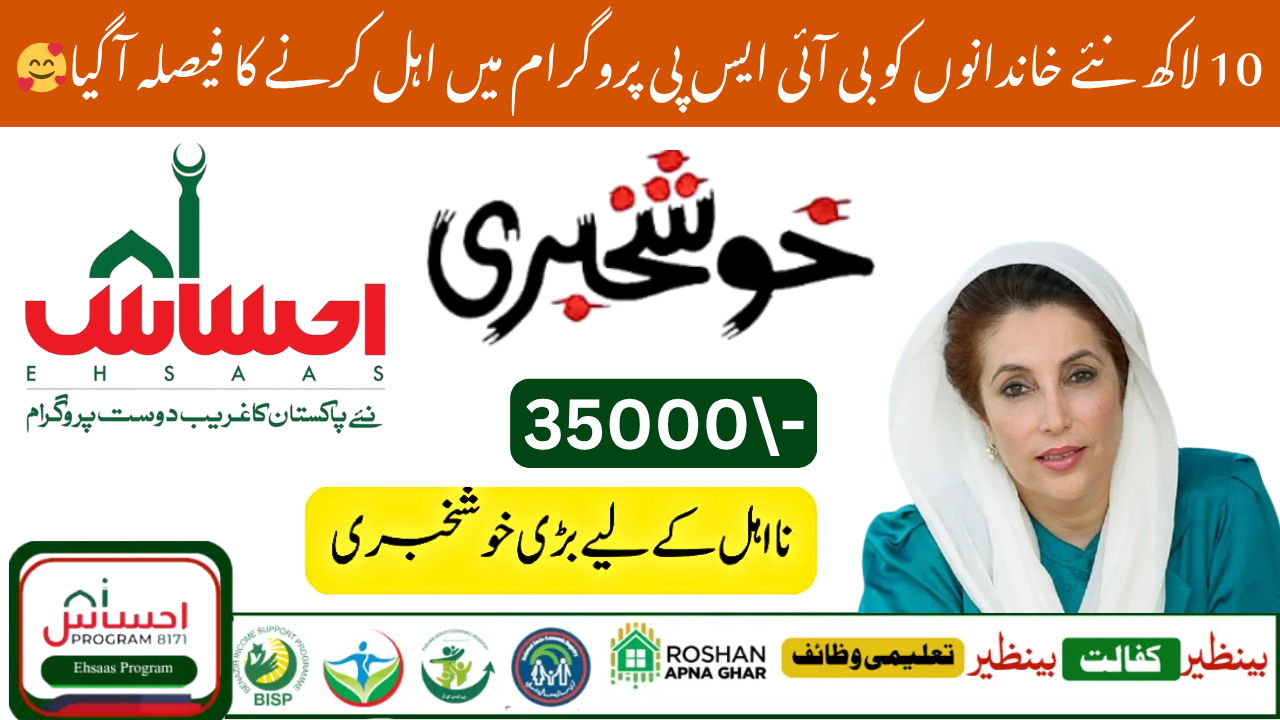
Over 10 million families are now benefiting from the Benazir Income Support Programme (BISP) across Pakistan — a milestone achievement that highlights the government’s continued commitment to poverty reduction and social protection. This remarkable progress demonstrates how BISP has evolved into one of the country’s most impactful welfare initiatives, offering financial relief and hope to millions of deserving households.
What Is BISP?
The Benazir Income Support Programme (https://bisp.gov.pk/) was launched in 2008 with the goal of supporting Pakistan’s most vulnerable citizens, especially women, through direct financial assistance. The program provides cash transfers to low-income families to help them meet basic needs such as food, healthcare, and education.
Key Objectives of BISP
- To reduce poverty by providing consistent income support to eligible families.
- To empower women through financial inclusion and independence.
- To encourage education via conditional cash transfer programs like Benazir Taleemi Wazaif.
- To improve healthcare access and reduce inequality in rural and underdeveloped areas.
Over 10 Million Families Now Benefiting from BISP
According to the latest government data, more than 10 million families across Pakistan are currently enrolled and benefiting from BISP. This expansion shows the growing trust and effectiveness of the program in reaching marginalized communities across all provinces, including Punjab, Sindh, Khyber Pakhtunkhwa, Balochistan, Gilgit-Baltistan, and Azad Jammu & Kashmir. https://8171.bisp.gov.pk/
Achievements at a Glance
- 10 million+ families receiving regular financial aid.
- Over PKR 400 billion distributed in 2024–2025 under various BISP initiatives.
- Increased transparency through digital payments and biometric verification systems.
- Empowerment of women, as over 90% of beneficiaries are female heads of households.
How BISP Is Changing Lives
BISP has had a transformative impact on Pakistan’s social and economic landscape. Beyond direct cash transfers, the program has become a gateway for empowerment, enabling families to break the cycle of poverty.
Real-Life Benefits
- Financial Stability: Monthly payments help families manage essential expenses like food, rent, and healthcare.
- Women Empowerment: Women beneficiaries gain control over household finances and participate in decision-making.
- Education Support: Through Benazir Taleemi Wazaif, children from BISP families receive incentives to attend school.
- Healthcare Improvement: Better nutrition and access to basic healthcare have improved community well-being.
Key Features of BISP for 2025
The government has made significant changes and improvements to ensure that the over 10 million families benefiting from BISP across Pakistan get maximum advantage.
1. Increased Cash Assistance
The monthly cash stipend has been raised to help families cope with inflation. Women receive payments directly into their BISP account or through designated banks. https://8171.bisp.gov.pk/
2. Education Support for Children
Children in poor families receive stipends to attend school. Girls usually get a higher amount to encourage their education.
3. Nutrition and Health Aid
Special allocations are made for children’s nutrition, especially in households with children under 10 years old. Mothers also benefit from free or subsidized healthcare services in certain areas.
4. Digital Payment System
To avoid corruption and middlemen, payments are now made through digital wallets, ATMs, and biometric verification systems.
5. Special Aid in Crises
Families in flood-hit or disaster-affected areas are prioritized and given emergency relief under BISP.
Who Can Benefit from BISP Across Pakistan
Even though over 10 million families are benefiting from BISP, not everyone qualifies. The program is meant for the most deserving households.
Eligibility Criteria:
- Families with a poverty score below the threshold set by the NSER (National Socio-Economic Registry). https://bisp.gov.pk/
- Female heads of household with a valid CNIC.
- Widows, divorced, or single mothers with dependent children.
- Families with children enrolled in school (for education stipends).
- Households affected by natural disasters or extreme poverty.
This ensures that the support is not misused and reaches those who truly need it.
Documents Needed for BISP Registration
If a family wants to join the list of over 10 million families benefiting from BISP across Pakistan, they must have proper documents.
Required Documents:
- Original CNIC of the female applicant.
- B-Form/Child Registration Certificate (CRC) for children.
- Proof of residence (utility bill or rental agreement).
- Proof of school enrollment (for children’s stipend).
- Death certificate (for widows).
- Divorce certificate (for divorced women).
How to Apply for BISP in 2025
The registration process is designed to be simple but requires families to visit official offices.
Steps to Apply:
- Visit the nearest BISP Tehsil Office. https://8171.bisp.gov.pk/
- Submit your CNIC and required documents.
- Get your poverty score verified through the NSER system.
- Wait for confirmation via SMS from 8171.
- Once approved, payments will be transferred to your BISP account.
Families already registered do not need to reapply unless their information has changed.
Digital Transformation of BISP
To enhance efficiency and transparency, BISP has adopted digital technologies for beneficiary registration, verification, and fund distribution. The use of biometric verification through NADRA ensures that only deserving families receive assistance.
Key Digital Features
- Ehsaas Dynamic Registry for real-time beneficiary updates.
- Online tracking and CNIC verification for easy access to information.
- Mobile wallet payments for secure and direct disbursement.
These advancements have significantly reduced fraud and leakages, making BISP one of the most reliable welfare systems in South Asia.
Government’s Continued Commitment
The Government of Pakistan continues to expand and modernize BISP to reach every deserving family. With the latest data showing over 10 million families now benefiting, new initiatives are also being introduced to strengthen support, including skill development programs and health insurance schemes.
The expansion of BISP reflects a long-term vision for inclusive growth and social justice—a Pakistan where every citizen has access to basic necessities and opportunities for a better future.
Conclusion
The milestone of over 10 million families benefiting from BISP across Pakistan marks a major achievement in the country’s fight against poverty and inequality. Through consistent effort, digital innovation, and a focus on women empowerment, BISP has become a symbol of hope and progress for millions of Pakistanis.